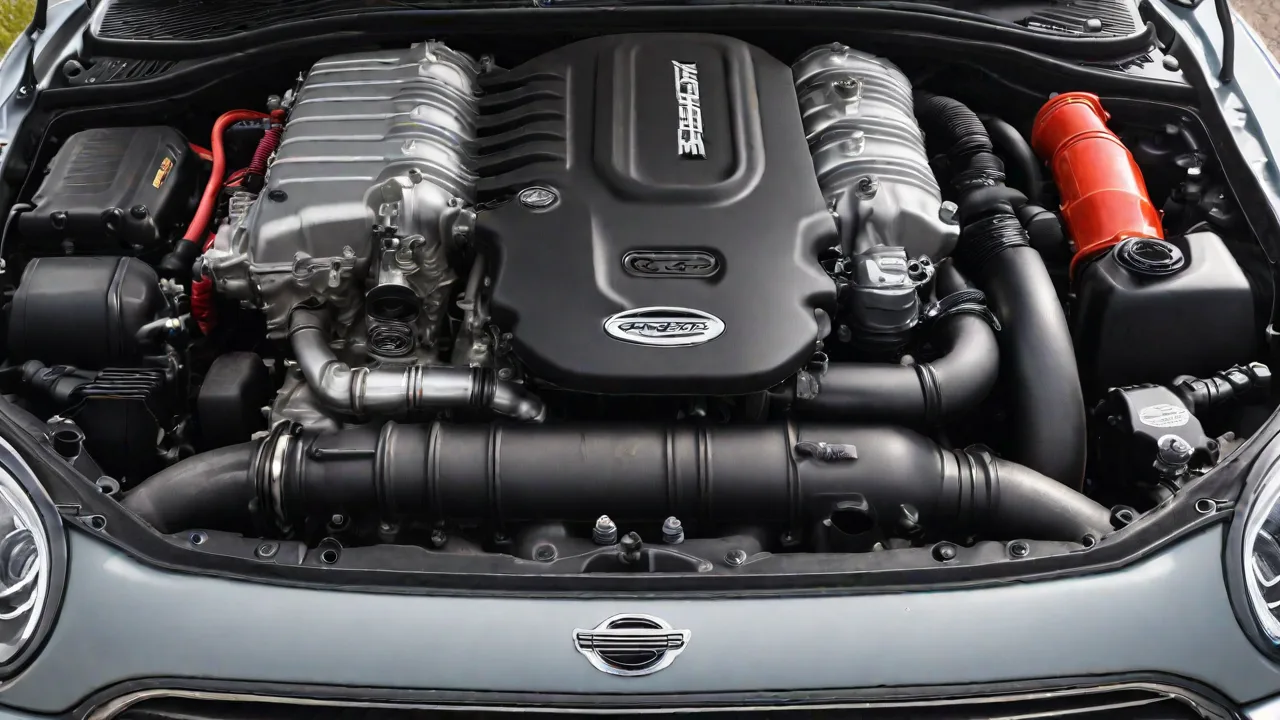
Everyday MINI Cooper R56 Engine Reliability: Key Maintenance Tips for Long-Term Performance
The MINI Cooper R56, produced from 2006 to 2013, is a favorite among enthusiasts for its distinctive styling, nimble handling, and peppy turbocharged engine options. This model marked a significant evolution from its predecessor with a more modern engine lineup, including the introduction of turbocharged variants that offered both impressive performance and efficiency. However, the R56’s advanced engineering also means it requires diligent maintenance to ensure long-term engine reliability. Understanding the nuances of its mechanical systems and adhering to a thorough maintenance routine can help you avoid unexpected repairs and keep your MINI running smoothly for many years.
Understanding the R56 Engine Options
The R56 MINI Cooper lineup includes several engine variants, each with unique characteristics that influence maintenance needs:
- 1.6L Naturally Aspirated Inline-4: Found in the base Cooper models, this engine is known for simplicity and robustness but still benefits from regular upkeep.
- 1.6L Turbocharged Inline-4 (Prince Engine): Introduced in Cooper S and John Cooper Works (JCW) trims, this engine delivers significantly more power but operates under higher stress, necessitating more attentive maintenance.
Especially in turbocharged models, components such as the timing chain, turbocharger, and cooling system experience increased wear, making preventive care critical.
Regular Oil Changes: The Foundation of Engine Health
Oil is the lifeblood of any engine, and in the R56’s compact and high-revving engines, it plays a crucial role in lubrication, cooling, and cleaning internal components. Using high-quality synthetic oil that meets BMW Longlife-01 or BMW Longlife-04 standards is essential for optimal engine performance.
- Service Intervals: MINI recommends oil changes approximately every 10,000 miles or annually, whichever comes first. However, many owners and experts advise more frequent oil changes (around every 5,000 to 7,500 miles) to protect the turbocharger and maintain oil integrity.
- Oil Filter Replacement: Always replace the oil filter with every oil change to ensure contaminants do not circulate through the engine.
- Checking Oil Levels: Regularly check oil levels between changes, especially if you notice oil consumption or leaks, as low oil can cause severe engine damage.
Neglecting oil changes can lead to sludge buildup, reduced lubrication, and premature wear of critical components like the turbocharger bearings and piston rings.
Cooling System Maintenance: Preventing Overheating and Engine Damage
Turbocharged engines generate significantly more heat than naturally aspirated ones, placing additional demands on the cooling system. The R56’s cooling system includes the radiator, water pump, thermostat, coolant reservoir, and a network of hoses, all of which must function properly to prevent overheating.
- Coolant Checks: Regularly inspect coolant levels and top off with the recommended MINI-approved coolant mixture. Low coolant can cause overheating and severe internal damage.
- Coolant Flushes: MINI recommends replacing coolant every 3 to 4 years or 40,000 miles to prevent corrosion and maintain optimal heat transfer.
- Water Pump and Thermostat: These components are wear items and should be inspected during major services. A failing water pump can cause overheating, while a stuck thermostat can lead to poor engine temperature regulation.
- Hose Inspections: Check hoses for cracks, leaks, or swelling regularly to avoid coolant loss.
Addressing cooling system maintenance proactively reduces the risk of blown head gaskets, warped cylinder heads, and expensive engine repairs.
Timing Chain and Tensioner: A Critical Focus for Early Models
The R56’s 1.6L Prince turbocharged engine uses a timing chain rather than a timing belt, which theoretically lasts longer. However, early production models of the R56 (approximately 2007-2008) have been known to experience timing chain tensioner failures. If the tensioner wears out or fails, it can cause the timing chain to slacken, resulting in rattling noises at startup and, in severe cases, catastrophic engine damage.
- Symptoms to Watch For: Rattling or knocking sounds from the front of the engine during cold starts, rough idling, or check engine light illumination.
- Preventive Measures: Have the timing chain tensioner inspected during routine maintenance, especially if your MINI is an early R56 model.
- Replacement Intervals: While the timing chain itself is designed to last the engine’s lifetime, the tensioner and guides may require replacement every 80,000 to 100,000 miles depending on wear.
Addressing timing chain tensioner issues early can save your engine from severe damage and costly repairs.
Spark Plugs and Ignition System Care
Worn or fouled spark plugs can lead to misfires, decreased fuel efficiency, rough idling, and reduced engine performance. The R56’s turbocharged engines need spark plugs capable of withstanding higher combustion pressures and temperatures.
- Replacement Interval: MINI generally recommends spark plug replacement every 30,000 to 40,000 miles for turbocharged variants, though many owners extend this interval if the plugs are in good condition.
- Type of Spark Plugs: Use iridium or platinum spark plugs specified by MINI to ensure proper heat range and durability.
- Ignition Coils: These should be inspected alongside spark plugs, as coil failures can mimic plug-related symptoms.
Regular inspection and timely replacement of spark plugs help maintain smooth engine operation, optimal power delivery, and fuel economy.
Turbocharger Health: Keeping Boost Performance Reliable
The turbocharger is a key performance component in the R56 Cooper S and JCW models, but it also requires attentive care to avoid premature wear or failure.
- Warm-Up and Cool-Down: Avoid aggressive acceleration immediately after startup and allow the engine to idle briefly before shutting off to ensure proper oil circulation and cooling of the turbo.
- Oil Quality and Changes: Since the turbo relies heavily on engine oil for lubrication, clean, high-quality oil is critical.
- Signs of Turbo Trouble: Listen for whining or grinding noises from the turbo, watch for excessive smoke from the exhaust, and inspect for oil leaks around the turbocharger.
- Boost Pressure Monitoring: If your MINI is equipped with a boost gauge or if you have access to diagnostic tools, monitor boost pressure to detect anomalies early.
Regular maintenance and mindful driving habits can significantly extend the life of the turbocharger, ensuring sustained spirited performance.
Fuel Quality and Engine Performance
Using the correct fuel grade is essential to prevent engine knocking and maximize performance. MINI Cooper R56 turbocharged engines typically require premium unleaded gasoline with an octane rating of 91 or higher.
- Why High-Octane Fuel: Higher octane fuels resist premature combustion ("knocking"), which can cause damage to pistons, valves, and other engine components.
- Fuel System Cleaning: Periodic use of fuel system cleaners or professional fuel injector cleaning services can help maintain efficient combustion and responsiveness.
- Fuel Filter Replacement: Though often overlooked, replacing the fuel filter at recommended intervals ensures clean fuel delivery and protects injectors.
Adhering to fuel recommendations preserves engine health and helps maintain the sharp throttle response MINI owners expect.
Additional Maintenance Considerations for Long-Term Reliability
Beyond the major systems discussed, several other maintenance tasks contribute to the longevity of your R56 engine:
- Air Filter Replacement: A clean air filter ensures optimal airflow and engine efficiency; inspect and replace every 15,000 to 30,000 miles depending on driving conditions.
- PCV Valve Inspection: The Positive Crankcase Ventilation valve helps reduce engine blow-by gases; a clogged PCV valve can cause rough idling and oil leaks.
- Regular Diagnostic Scans: Using an OBD-II scanner or visiting a MINI specialist for regular diagnostic checks can detect early faults before they become serious.
- Transmission Fluid and Clutch Care: For manual R56 models, clutch maintenance and timely fluid changes are important to complement engine reliability.
Common R56 Engine Issues and How to Address Them
Being aware of common issues helps you stay proactive in your maintenance approach:
- Water Pump Failure: The electric water pump in the R56 turbo engines can fail, causing overheating. Symptoms include coolant leaks and engine temperature spikes. Replacing the water pump as a preventive measure between 60,000 and 100,000 miles is often recommended.
- Thermostat Malfunction: A stuck thermostat causes poor temperature regulation, resulting in overheating or inefficient engine warming. Regular inspection during coolant system servicing is advised.
- Timing Chain Stretch: Though less common, timing chain stretch can cause engine misfires and poor performance. Early detection through noise inspection and diagnostic codes can prevent severe damage.
- Turbo Wastegate Issues: Faulty wastegate actuators can cause boost pressure problems, affecting power delivery. Symptoms include poor acceleration and check engine lights.
Tips for MINI Cooper R56 Owners to Maximize Engine Longevity
- Follow the Manufacturer’s Maintenance Schedule: Refer to the MINI service booklet and maintain records of all services performed.
- Choose Experienced Mechanics: MINI-specific knowledge is valuable; consider specialists familiar with BMW and MINI engines.
- Use OEM or High-Quality Replacement Parts: Genuine or reputable aftermarket parts ensure proper fit and durability.
- Practice Gentle Driving Habits: Avoid aggressive cold starts and allow the engine to warm up before heavy acceleration.
- Stay Ahead of Warning Signs: Don’t ignore unusual noises, smells, or dashboard warnings; early diagnosis saves money and stress.
Conclusion
The MINI Cooper R56 offers a unique blend of performance and charm, but maintaining its engine reliability requires dedication and informed care. By focusing on regular oil changes, diligent cooling system maintenance, timing chain inspections, spark plug replacement, turbocharger care, and fuel quality, owners can significantly extend the lifespan of their engines and enjoy the spirited driving experience MINI is known for. Proactive maintenance, timely repairs, and careful driving habits are the keys to unlocking the full potential of your R56 and ensuring it remains a reliable companion on the road for many miles to come.